
What's on this page
- Water heater replacement cost: the short answer
- What actually goes into the price: unit plus install
- Replacement cost by water heater type
- How much is a new water heater by unit alone
- Tank water heater replacement cost
- How much is a tankless water heater
- How much to install a water heater: the labor
- Cost by tank size: 40, 50, and 75 gallons
- Gas versus electric: how fuel type moves the price
- Heat pump (hybrid) water heater cost
- The hidden costs: permits, venting, code, and disposal
- Repair or replace: when a new unit is worth it
- Tank versus tankless: the lifetime cost picture
- DIY versus a professional install
- How to save on a water heater replacement
- A worked example: replacing a 50-gallon gas heater
- Hot water heater basics before you price one
- The bottom line
Short answer: An illustrative like-for-like tank water heater replacement commonly runs roughly $900 to $2,500 all in, covering the unit and professional installation, while a tankless or heat pump job frequently reaches $3,000 to $5,000 or more because of new gas lines, larger venting, or electrical upgrades. The unit is often the smaller half of the bill; labor, permits, code upgrades, venting, and disposal make up the rest, so get two or three itemized quotes.
A water heater rarely gives much warning before it fails, which is exactly why so many people research replacement cost in a hurry, standing next to a leaking tank with no idea whether the right number is one thousand dollars or five thousand. The honest answer is that it depends, and the spread is wide, because the price is really two prices stacked together: the unit itself and the labor to install it. A basic tank swapped for the same type in the same spot sits at the low end, while a tankless conversion that needs new gas lines, larger venting, or an electrical upgrade sits far higher. Knowing which parts drive the total is what lets you read a quote and tell a fair one from a padded one.
This cost breakdown compares water heater replacement cost across the common types, tank and tankless, gas and electric, plus heat pump hybrids, and separates the unit price from the installation so you can see where your money actually goes. Every figure here is illustrative and framed as a planning range, because real prices vary by region, installer, season, and the specifics of your home, and the only number that truly counts is a written quote on your setup. For the maintenance that helps a new unit reach its full life, see our step-by-step water heater flushing walkthrough, and for keeping every appliance running efficiently, our whole-home maintenance plan. Set your unit type and situation in the estimator further down as you read, and it will keep a running total beside each section.
Key takeaways
- Water heater replacement cost is two costs stacked: the unit and the labor, and either can dominate depending on the type and how complex the install is.
- An illustrative like-for-like tank replacement often runs roughly $900 to $2,500 all in, while tankless and heat pump jobs frequently reach $3,000 to $5,000 or more.
- Tankless units cost more up front and to install, often because of new gas lines, larger venting, or electrical upgrades, but they last longer and cut standby losses.
- Hidden costs, permits, code-required upgrades, venting, and old-unit disposal, are the line items that surprise people, so ask what a quote includes.
- Because prices swing widely by region and installer, two or three itemized quotes on your exact setup are worth far more than any national average.
Water heater replacement cost: the short answer
If you want a single planning figure before the detail, an illustrative like-for-like tank replacement, meaning the same type of unit installed in the same location, commonly lands somewhere around $900 to $2,500 all in. That covers the new unit and professional installation for a standard residential tank. Move to a tankless unit, a larger or higher-efficiency tank, or a job that needs new venting, gas, or electrical work, and the total commonly climbs into the $3,000 to $5,000 range, sometimes higher for a complex tankless conversion. Those are ranges rather than quotes, and the reason they are ranges is that no two installations are identical.
The single most useful thing to understand up front is that the tank or the tankless unit itself is often the smaller half of the bill. Labor, permits, code upgrades, venting, and disposal frequently add up to as much as the equipment or more, especially on anything beyond a simple swap. That is why a neighbor’s quote for the same brand can differ from yours by a thousand dollars: their install was straightforward and yours needs a new gas line, or the other way around. Keep that unit-plus-labor split in mind as you read, and use the estimator to see how your specific choices move the total. Prices vary by region and installer, so always get multiple quotes.
What actually goes into the price: unit plus install
To read any water heater quote intelligently, it helps to see how the total breaks apart, because the equipment line that people focus on is only one slice. A replacement bundles the cost of the new unit, the labor to remove the old one and fit the new one, the venting and connection materials, the permit and inspection where required, and disposal of the old tank. The stacked bar below shows an illustrative split of where a typical replacement dollar goes, so you can see why labor and extras deserve as much attention as the sticker price of the unit.
Where a water heater replacement dollar goes
An illustrative split of a typical installed replacement cost. Segments sum to 100 percent. Your breakdown shifts with type, region, and how complex the job is.
On a simple tank swap the equipment share is larger; on a tankless conversion labor, venting, and materials grow and can even exceed the unit. The split is illustrative and shifts by job.
The value of that picture is that it tells you where quotes will differ. Two installers may quote nearly the same unit price, since the equipment is a commodity, but their labor, materials, and handling of code upgrades can vary widely, and that is where a padded quote hides. When you compare quotes, look past the model number to the labor line, what venting and materials are included, whether the permit and disposal are covered, and whether any code-required extras are listed. A cheap quote that leaves out the permit or the code upgrade is not actually cheaper, it just moves the surprise to later. Ask for the breakdown itemized so you are comparing like with like.

Replacement cost by water heater type
The type of water heater you choose is the biggest single driver of the total, because it changes both the equipment price and how much labor the install takes. A conventional tank is the cheapest to buy and usually the cheapest to install, since the connections are simple and familiar. Tankless units cost more for the hardware and often much more to install. Heat pump or hybrid tanks sit at the top for equipment but can repay it in running cost. The chart below shows illustrative installed costs by type so you can see the ladder at a glance.
Illustrative installed replacement cost by type
Rough midpoints for the unit plus professional installation, by water heater type. Bars scale with the dollar figure. Your quote varies by region, installer, and job complexity.
These are illustrative midpoints of wide ranges, not quotes. Gas tankless tops the list mainly on installation, since it often needs new venting and gas work. Confirm real pricing with local quotes.
Read those bars as midpoints of wide ranges, not fixed prices. A tank electric unit could come in well under its midpoint on a clean swap or above it if the location needs work, and the same is true up the ladder. What the ranking reliably shows is the order: tanks are cheapest, electric tankless and heat pump sit in the middle to upper range, and gas tankless is usually the most expensive installed, driven largely by venting and gas line requirements rather than the unit itself. Use this to set expectations before you call anyone, then let the estimator and your quotes fill in your actual number. Set your type in the estimator to anchor the sections that follow.
How much is a new water heater by unit alone
Stripping out labor for a moment, it is worth knowing what the equipment costs on its own, because that is the part you can compare online before a plumber ever visits. A conventional tank unit is the most affordable hardware, commonly falling in an illustrative range of roughly $400 to $1,600 depending on size, fuel, and efficiency, with mainstream fifty gallon gas and electric models sitting around the middle. Tankless units run higher for the hardware, often $500 to $2,000, with gas models generally pricier than electric. Heat pump or hybrid tanks are the most expensive equipment, frequently $1,200 to $2,500, reflecting the compressor technology inside.
Several features push the unit price within those ranges. Larger capacity costs more, a gas burner generally costs more than electric elements, higher efficiency ratings command a premium, and longer warranties, say a twelve-year versus a six-year tank, add to the price while often reflecting a better-built unit. It can be tempting to buy the cheapest unit on the shelf, but the equipment is where a modest step up in quality and warranty often pays off, since the labor to install a cheap unit and a good one is the same. Remember that whatever you see for the unit, installation typically adds several hundred to a couple thousand dollars on top, which the next sections break down.
Tank water heater replacement cost
A conventional storage tank remains the most common replacement and usually the most affordable, which is why it is the default for many households. Installed, a like-for-like tank replacement commonly lands in an illustrative range of roughly $900 to $2,500, combining a unit in the few-hundred to sixteen-hundred-dollar range with several hundred to around a thousand dollars of labor and materials. Electric tanks tend to sit slightly lower than gas on the installed total, since gas involves the burner, venting, and gas connection, though electric can require its own considerations. The simplest and cheapest scenario is swapping an existing tank for the same fuel, size, and location.
The tank cost climbs when the job is more than a straight swap. Upsizing from a forty to a fifty or seventy-five gallon tank, relocating the unit, upgrading venting to meet current code, or adding a required expansion tank or drain pan all add labor and materials. Older homes often trigger code upgrades that a modern installation must meet, which a plumber will flag when quoting. The appeal of the tank is its low upfront cost and simple installation, and for many households that plan to stay a moderate time, a quality tank with a solid warranty is the sensible value choice. Set your inputs in the estimator to see an illustrative tank total for your situation, and remember to weigh the running cost we discuss in our note on lowering your electric bill.
How much is a tankless water heater
Tankless units, sometimes called on-demand water heaters, heat water as it flows rather than storing it hot, which is where both their advantages and their higher cost come from. The unit alone commonly runs an illustrative $500 to $2,000 depending on capacity and fuel, but the installed cost is where they separate from tanks, frequently landing around $1,800 to $5,500. The gap is mostly installation, not the box: a tankless conversion often needs a new, larger gas line to feed the powerful burner, upgraded venting designed for the unit, or, for electric tankless, a significant electrical service upgrade to handle the high current draw.
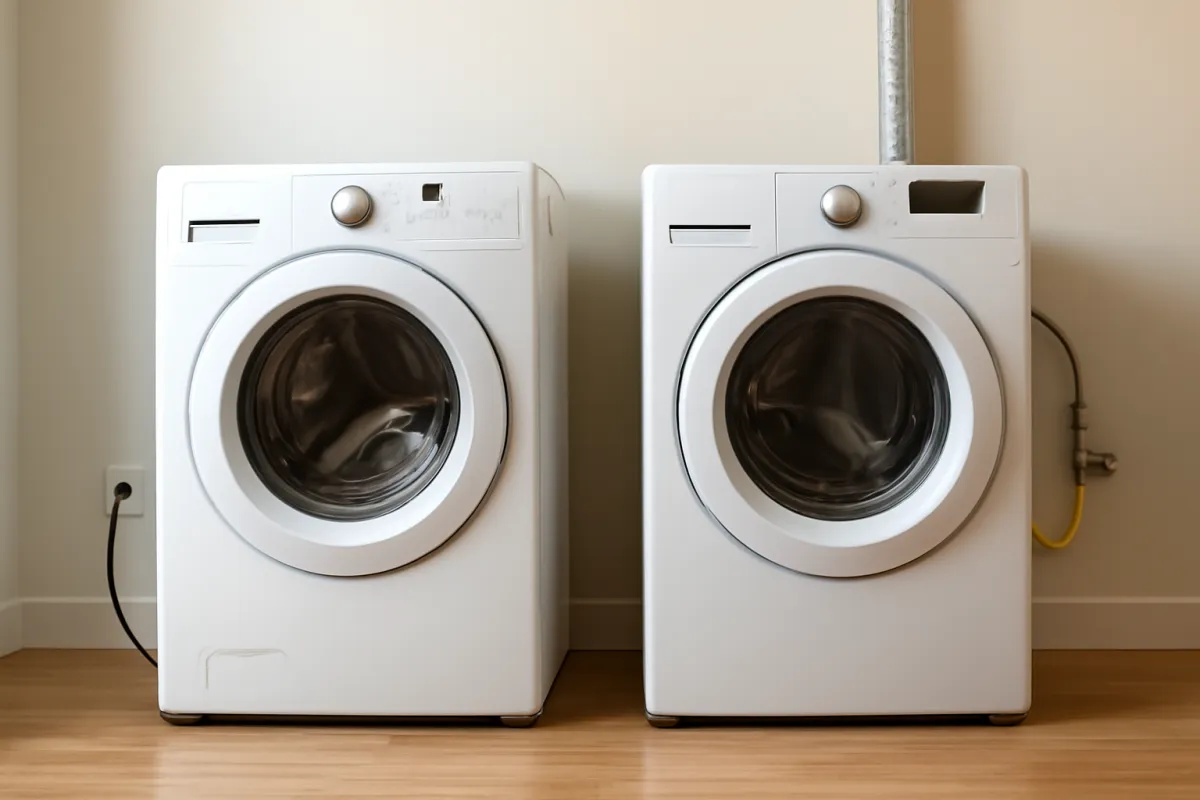
What you get for that premium is a longer service life, often cited around twenty years against roughly a decade for a tank, no standby heat loss from keeping a stored tank hot, a compact wall-mounted footprint, and effectively unlimited hot water for back-to-back demand. What you take on is the higher upfront cost and the need for periodic descaling in hard water, a job our flushing and descaling walkthrough covers step by step. Whether the tankless premium pays back depends on how long you stay, your hot water habits, and your energy prices. For a long stay in a home that suits the install, the math can favor tankless, while for a tight budget or a short stay, a tank often wins on value. Set the type to tankless in the estimator to see an illustrative total.
How much to install a water heater: the labor
Installation labor, separate from the unit, is the line item people underestimate most, and it is where quotes diverge the hardest. As an illustrative range, labor alone commonly runs several hundred dollars for a simple job to a couple thousand for a complex one. A like-for-like tank swap in the same location is quick work for an experienced plumber, so it sits at the low end. A tankless conversion, a relocation, or a job that triggers code upgrades takes far longer and needs more materials, pushing labor toward the top of the range or beyond.
The specific drivers are worth knowing so you can anticipate them. New or upsized venting, running a new gas line, upgrading electrical for a tankless or heat pump unit, adding a code-required expansion tank or drain pan, and hauling away the old unit all add hours and cost. Regional labor rates matter too, since a plumber in a high-cost metro charges more than one in a rural area, and demand plays a part, so an emergency call on a weekend costs more than a scheduled job. Because labor varies this much, it is the single best place to save by comparing itemized quotes. Ask each installer to break out labor, materials, permit, and disposal separately so you can compare the parts rather than a lump sum.
Cost by tank size: 40, 50, and 75 gallons
For a storage tank, capacity is a meaningful cost driver, both for the unit and, on an upsize, for the install. A forty gallon tank suits a smaller household and sits at the lower end of the price ladder. A fifty gallon tank is the most common residential size and the default for many families, sitting in the middle. A seventy-five gallon tank serves large households with heavy simultaneous demand and costs the most, both because the unit is bigger and because it may need larger venting or gas capacity. As a rough rule, stepping up a size adds a few hundred dollars to the unit and sometimes more to the install if it triggers other upgrades.

The temptation is to buy the biggest tank for insurance, but oversizing has real costs beyond the purchase: a larger tank than you need keeps more water hot around the clock, raising standby losses and running cost. Matching the size to your household, roughly by the number of people and your peak simultaneous hot water use, is the better approach, the same right-sizing logic our energy-efficient appliance guidance applies across the home. If you consistently run out of hot water with your current tank, a modest step up may be justified, but for most homes the standard size that matches the household is both cheaper to buy and cheaper to run. Set your home size in the estimator to see how capacity shifts the illustrative total.
Gas versus electric: how fuel type moves the price
Fuel type shapes both the purchase price and the installation, so it is one of the first decisions to settle. Gas units generally cost a bit more than electric for the equipment because of the burner assembly, and gas installations involve venting and a gas connection that electric units avoid. Electric tanks are often cheaper and simpler to install where the electrical service is adequate, though electric tankless in particular can demand a costly electrical upgrade because of its high current draw. The running cost then depends on your local gas and electricity prices, which vary widely and can flip the ongoing economics either way.
The practical point is that fuel type is rarely a free choice: most homes keep the fuel they already have, because switching from electric to gas or the reverse adds significant cost to run new lines or upgrade the panel. If you are replacing like for like, the fuel decision is usually already made, and your job is to get the best value within that type. If you are genuinely open to switching, weigh the higher conversion cost against the long-run running cost difference at your local energy prices, and get quotes that spell out the conversion work. Our cost-per-use calculator can help frame the long-run side of that decision against the upfront price.
Heat pump (hybrid) water heater cost
A heat pump water heater, often labeled a hybrid, is the efficiency-focused option and the priciest equipment among the common types, with the unit commonly running an illustrative $1,200 to $2,500 and installed totals frequently reaching the $2,000 to $4,500 range or higher depending on the space. Instead of generating heat directly, it moves heat from the surrounding air into the water, which is why it can use substantially less energy than a standard electric tank. That lower running cost is the entire reason to accept the higher purchase price.
The catch is that a heat pump unit has real requirements. It needs enough surrounding air volume to draw heat from, typically a certain amount of space around it, and it works best in moderate temperatures, so a cramped or cold closet is a poor location and may hurt efficiency or push warm air into a space you do not want cooled. It also tends to be taller than a standard tank, which can matter in a tight installation. Rebates and incentives sometimes offset part of the premium, though those programs change over time and should be confirmed for your area rather than assumed. Where the location suits one and you plan to stay long enough to bank the energy savings, a heat pump unit can be the lowest lifetime-cost option despite the highest sticker. Set the type to heat pump in the estimator to see an illustrative total.
The hidden costs: permits, venting, code, and disposal
The figures people quote each other rarely include the extras that a real installation involves, which is why the final bill often surprises. A permit and inspection are required in many areas for a water heater replacement, adding a modest but real cost, and skipping the permit to save money can cause problems at resale or with insurance. Venting is another: a new gas or tankless unit may need venting that differs from what is there, and upgrading it adds materials and labor. Code upgrades are the big one in older homes, where a modern installation must meet current requirements that the old one predated.
Common code-driven extras include an expansion tank to handle thermal pressure, a drain pan with a drain line under the unit, seismic strapping in some regions, and updated connections or shutoffs. None are large on their own, but together they can add several hundred dollars that a bare unit-plus-labor estimate leaves out. Disposal of the old unit is a final small line, since a water heater is heavy and cannot simply go in the trash. The way to avoid an unpleasant surprise is to ask each installer explicitly whether the quote includes the permit, any code-required upgrades, venting, and disposal, so you are comparing complete numbers rather than optimistic ones.
Repair or replace: when a new unit is worth it
Before you spend on a replacement at all, it is worth asking whether a repair would do, because sometimes it will and sometimes it is throwing money at a unit near the end of its life. Age is the first gauge: a tank heater commonly lasts around eight to twelve years, so a unit past that window is a candidate for replacement even if the current problem is fixable. A small, cheap repair on a young unit, like a thermostat or an element, is usually worth doing. A large repair on an old, noisy, sediment-crusted tank often is not, since you are likely to face another failure soon.
The signs that point toward replacement rather than repair include persistent rust-colored water suggesting internal tank corrosion, a leak from the tank body itself, which is not repairable, popping or rumbling that survives a flush because the sediment has hardened, and rising running costs from lost efficiency. If your unit is old and showing these, the money is usually better spent on a new, efficient unit than on repeated repairs. Our flushing walkthrough can rule out sediment as the cause of noise, and our cost-per-use calculator helps weigh another repair against the price of replacement over the years you will keep the unit. When the tank body itself leaks, though, the decision is made for you: that calls for replacement.
Tank versus tankless: the lifetime cost picture
The sticker price is only part of the comparison, because tank and tankless units differ in how long they last and what they cost to run, so the fair way to compare them is over their lifetime. A tank costs less to buy and install but lasts roughly a decade and loses some energy keeping water hot around the clock. A tankless unit costs more up front but often lasts around twenty years and avoids that standby loss, so over a long enough horizon the higher purchase price is spread across more years and offset by lower running cost. Whether that makes tankless cheaper in the end depends heavily on how long you stay and your energy prices.
The honest framing is that there is no universal winner. For a household that plans to stay well over a decade, uses a lot of hot water, and has a location that suits the install, tankless can come out ahead on lifetime cost while also delivering endless hot water. For a household on a tight budget, a shorter expected stay, or a home where a tankless conversion would be expensive, a quality tank is often the better value. The estimator below shows an illustrative annualized cost, the installed price spread over the unit’s expected life, which is a useful way to compare types on more than the sticker. Remember it excludes energy and maintenance, which shift the picture further, and that real prices vary by region and installer, so quotes remain essential.
DIY versus a professional install
It is natural to wonder whether you can install a water heater yourself and save the labor, and the honest answer is that it is possible for some tank swaps but often unwise, and in many places restricted. A replacement involves water connections, and either gas or high-voltage electrical, plus venting on combustion units, any of which done wrong creates a real safety hazard, from a gas leak or carbon monoxide to a flood or a shock. Many jurisdictions require a permit and, for gas work, a licensed professional, and an unpermitted self-install can cause trouble with insurance or at resale.
Where a homeowner with genuine plumbing skill might tackle a straightforward like-for-like electric tank swap, a gas unit, a tankless conversion, or anything involving new venting or gas lines is firmly professional territory. Even on a simple job, the savings are smaller than they look once you account for hauling the old unit, disposal, and the risk of a costly mistake. The related but genuinely DIY-friendly task is maintenance: flushing the tank and descaling a tankless unit are things you can safely do yourself to extend the life of a professionally installed unit, which our flushing and draining walkthrough covers in full. For the installation itself, the money spent on a licensed plumber usually buys safety and code compliance worth having.
How to save on a water heater replacement
Because the total swings so widely, there are real ways to hold the cost down without cutting corners on safety or quality. The single biggest lever is getting two or three itemized quotes, since installation labor is the line item that varies most between plumbers, and the same job can differ by hundreds of dollars on labor alone. Ask each installer to break out the unit, labor, materials, permit, and disposal separately, so you are comparing the parts rather than a single lump sum that hides where the money goes.
Beyond comparing quotes, several habits keep the number reasonable. Matching the unit to your actual household rather than oversizing saves on both the purchase and the running cost. Choosing a straightforward like-for-like swap, where it genuinely fits your needs, avoids the expensive conversion work that new venting, gas lines, or electrical upgrades add. Planning ahead so you are not replacing in a true emergency is one of the most underrated savings: a tank that fails on a holiday weekend leaves no time to compare prices and often forces a premium call-out rate, whereas a unit replaced on your schedule can be shopped calmly.
Finally, protect the investment once it is in. Ask whether any current rebates or incentives apply to an efficient unit in your area, since those can offset part of a heat pump or high-efficiency premium, though they change over time and should be confirmed rather than assumed. Then maintain the new unit: regular flushing of a tank or descaling of a tankless unit, which our flushing and draining walkthrough covers step by step, protects efficiency and helps the unit reach its full service life so you are not paying for another replacement ahead of schedule. Our cost-per-use calculator can help you frame the long-run value of a pricier but longer-lived unit against a cheaper one.
A worked example: replacing a 50-gallon gas heater
Put the pieces together on one illustrative replacement to see how a total comes together. Picture a household whose eleven-year-old fifty gallon gas tank has just started leaking from the tank body, which means repair is off the table and replacement is the only option. They decide to stay with a fifty gallon gas tank, a like-for-like swap in the same location, since switching fuel or going tankless would add conversion cost they do not want right now. This is the most common and most affordable replacement scenario.
The numbers stack up in the familiar way. The new fifty gallon gas unit runs an illustrative eight hundred dollars for a solid model with a decent warranty. The installation, because it is a same-location, same-fuel swap, sits in the lower labor range, but the home is old enough to trigger a couple of code upgrades: an expansion tank and a new drain pan, adding a few hundred dollars in parts and time. Add the permit, and disposal of the heavy old unit, and the labor-plus-extras side lands in the several-hundred to just-over-a-thousand range. All in, the total comes to somewhere around fifteen hundred to two thousand dollars, comfortably inside the illustrative tank range from earlier sections.
Because they were not in a true emergency, they got three itemized quotes and found the labor line varied by several hundred dollars between installers for the identical unit and scope, which is exactly why comparing quotes matters. Every figure here is illustrative rather than measured on one real job, and your unit, region, installer, and code requirements will change the total. The value is the method: identify the type and scope, separate the unit from the labor and extras, confirm what each quote includes, and compare the complete numbers. Set your own type and situation in the estimator to build your version of this total.
Hot water heater basics before you price one
Most people arrive at this decision knowing only that the hot water heater has failed, so it is worth naming the parts of the choice before the numbers.
Tank or tankless. A tank stores heated water and refills after heavy use; a tankless unit heats on demand and does not run out but is limited by flow rate. The comparison in this article is between those two.
Fuel. Gas and electric change both the purchase price and the running cost, and switching between them adds work: a gas unit needs a supply and venting, an electric one frequently needs a dedicated higher-voltage circuit.
Capacity. For a tank, this is gallons plus the first-hour rating, which reflects delivery during heavy use better than volume alone. For tankless, it is flow rate at your incoming water temperature, which is why the same unit performs differently in different climates.
Venting. Gas units need it and the type constrains where the unit can sit; electric and heat pump units do not.
Expected life. Commonly cited illustrative ranges put storage tanks somewhere around eight to twelve years and tankless units considerably longer, which is part of why the lifetime comparison differs from the purchase comparison.
If the current unit is leaking from the tank body rather than a fitting, replacement is the only option, and our note on how long appliances last covers when repair stops being worthwhile on other faults.
The bottom line
Water heater replacement cost comes down to two questions: what unit you choose and how complex the installation is. A like-for-like tank swap is the affordable end, commonly an illustrative $900 to $2,500 all in, while tankless conversions and heat pump units climb toward $3,000 to $5,000 or more, driven as much by venting, gas, and electrical work as by the unit itself. Tanks win on upfront cost and simplicity, tankless and heat pump units win on longevity and running cost for households that stay long enough and have a suitable install. The extras that surprise people, permits, code upgrades, venting, and disposal, are the ones to ask about explicitly. And because the same job can vary by hundreds or thousands of dollars between installers and regions, no average online replaces two or three itemized quotes on your exact setup. Get those, match the unit to your real needs rather than the biggest box, and maintain whatever you install so you are not back here ahead of schedule.
A note on scope: this cost breakdown exists to help you plan and compare a water heater replacement, not to quote your job or promise any specific price, saving, or lifespan. Every dollar figure above is an illustrative planning range drawn from typical guidance rather than a measured quote, and your real cost will move with your region, your installer, the season, the fuel type, the unit you choose, and any code upgrades your home requires, so treat two or three written local quotes as the only reliable numbers. Nothing here is professional, financial, or plumbing advice. Installation involves water, gas or electrical, and venting work with real safety and code implications, so hire a licensed professional for the install, confirm permits and current rebate programs locally, and weigh repair against replacement on the specific age and condition of your unit.
Frequently asked questions
How much does it cost to replace a water heater?
There is no single number, but a common illustrative range for a like-for-like tank replacement runs from roughly $900 to $2,500 all in, covering both the unit and professional installation. A tankless unit, a larger tank, or a job that needs new venting, gas, or electrical work pushes the figure higher, often into the $3,000 to $5,000 range or beyond. The two halves of the cost are the equipment and the labor, and either can dominate depending on your situation. Because prices swing widely with your region, your installer, the fuel type, and the complexity of the swap, the only reliable number is one you get from two or three local quotes on your exact setup. Treat every figure here as a planning estimate rather than a quote.
How much is a tankless water heater?
A tankless water heater typically costs more than a comparable tank, both for the unit and for installation, though it lasts longer to offset some of that. As an illustrative range, the unit alone often falls between $500 and $2,000 depending on capacity and fuel, and installed costs commonly land somewhere around $1,800 to $5,500 because the job frequently involves new gas lines, larger venting, or electrical upgrades that a simple tank swap does not. Gas tankless units tend to cost the most to install for that reason, while electric tankless can be cheaper up front but may need significant electrical work. The tradeoff is a longer service life, often around twenty years versus roughly a decade for a tank, plus endless hot water and lower standby losses. Whether that premium pays back depends on your usage and energy prices, so get quotes and weigh the lifetime picture, not just the sticker.
How much is a new water heater on its own?
Looking at the equipment alone, before any labor, a new conventional tank water heater commonly falls in an illustrative range of roughly $400 to $1,600 depending on size, fuel, and efficiency, with fifty gallon gas and electric units clustering in the middle of that. Tankless units run higher for the hardware, often $500 to $2,000, and heat pump or hybrid tanks are the priciest equipment, frequently $1,200 to $2,500 before installation. Bigger capacity, a gas burner, higher efficiency, and longer warranties all push the unit price up. Remember that the unit is only half the story: installation typically adds several hundred to a couple thousand dollars on top. These are planning figures that vary by brand, region, and season, so confirm current pricing locally.
How much does it cost to install a water heater?
Installation labor alone, separate from the unit, commonly runs an illustrative several hundred to a couple thousand dollars, with a straightforward like-for-like tank swap at the lower end and a complex tankless conversion at the higher end. What drives it is complexity: replacing a tank with the same type in the same spot is quick, while relocating the unit, upsizing venting, running a new gas line, or upgrading electrical for a tankless or heat pump unit adds hours and materials. Permits, code-required upgrades like an expansion tank or a new drain pan, and hauling away the old unit add more. Labor rates also vary sharply by region and by how busy local plumbers are. Because of that spread, installation is the line item where getting multiple quotes saves the most money.
Is a tankless water heater worth the extra cost?
It depends on how long you will stay in the home, your hot water habits, and your energy prices, so the honest answer is that it is worth it for some households and not others. The case for tankless is a longer service life, often around twenty years against roughly a decade for a tank, no standby heat loss from keeping a tank hot, and effectively unlimited hot water for back-to-back demand. The case against is the higher upfront and installation cost, plus the need for periodic descaling in hard water. If you plan to stay long enough to benefit from the longer lifespan and lower standby losses, the premium is easier to justify, while for a short stay or a tight budget a quality tank is often the better value. Run your own numbers with multiple quotes rather than assuming either way, and factor the maintenance we cover in our flushing walkthrough.
Why is replacing a water heater so expensive?
The sticker surprise usually comes from the labor and the extras rather than the tank itself, which is often the smaller half of the bill. A replacement is not just swapping a box: a plumber has to drain and remove the old unit, position and connect the new one, handle water, gas or electrical, and venting connections, and often bring the installation up to current code with items like an expansion tank, a drain pan, or updated venting. Permits and inspection, disposal of the old unit, and any relocation or upsizing all add up. On a tankless conversion, new gas lines, larger venting, or an electrical panel upgrade can cost more than the unit. That is why two homes buying the same model can pay very different totals, and why quotes on your specific setup matter more than any average.
Does a heat pump or hybrid water heater cost more?
Yes, a heat pump water heater, also called a hybrid, usually has the highest equipment price of the common types, often an illustrative $1,200 to $2,500 for the unit, and installation can add more if the space needs adjustments. The reason people still choose them is running cost: a heat pump unit moves heat rather than generating it directly, so it can use markedly less energy than a standard electric tank, which may offset the higher purchase price over years of use. The catch is that they need enough surrounding air space and moderate temperatures to work efficiently, so a cramped or cold closet is a poor fit. Rebates and incentives sometimes offset part of the premium, though those change over time and should be confirmed rather than assumed. If the location suits one, the lower running cost can make the higher upfront cost worthwhile.
How can I save money on a water heater replacement?
The biggest lever is getting two or three itemized quotes, because installation labor varies enough between plumbers that the same job can differ by hundreds of dollars. Beyond that, matching the unit to your actual needs rather than oversizing, choosing a straightforward like-for-like swap where it makes sense, and avoiding an emergency replacement by planning ahead all hold the cost down. An emergency swap after a tank fails leaves no time to compare prices and often costs more. Ask whether permits, disposal, and any code upgrades are included in the quote so there are no surprises, and check for any current rebates on efficient units. Maintaining the new unit with regular flushing, which our companion walkthrough covers, protects the investment so you are not replacing it again ahead of schedule.